Painting a Coastal Home in La Jolla: What Salt Air, Moisture & Sun Change
Painting a Coastal Home in La Jolla: What Salt Air, Moisture & Sun Change
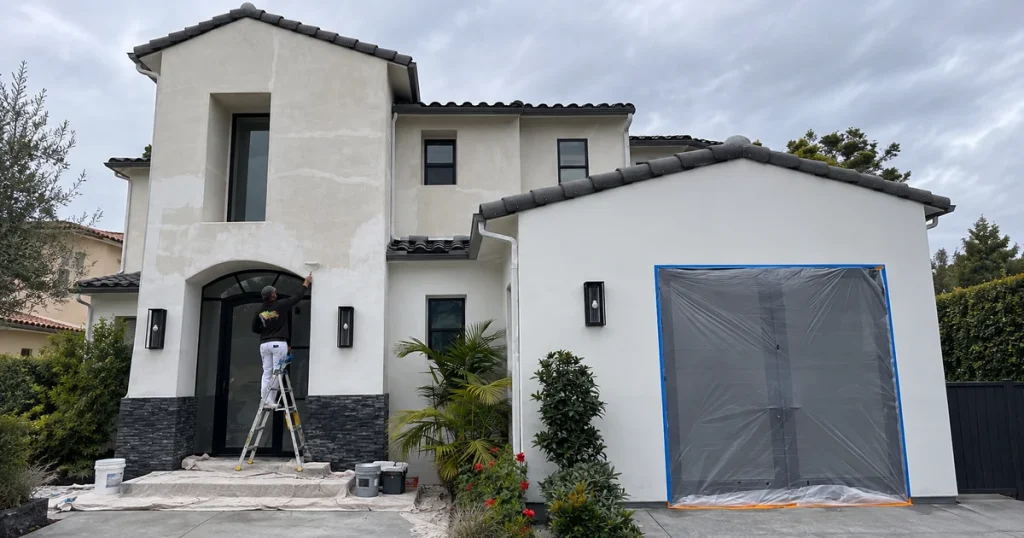
La Jolla is one of my favorite places to work. You step onto a balcony, see the ocean, and the view is incredible. But that same ocean air that makes the location special is hard on paint, wood, and metal.
I’m Victor Ross, owner of Ross Painting Group (CA Lic #1151078). We’ve completed many projects in La Jolla this year — including three or four in one recent month — and the pattern is consistent: coastal homes can look beautiful for years, but they need the right preparation before another coat goes on.
Why Paint Fails Faster Near the Ocean
Salt, moisture, and strong sun work together. The salt settles on exterior surfaces. The marine layer keeps those surfaces damp longer. Sun then dries and heats the same material. Over time, wood finishes fade, paint loses its protection, and exposed metal begins to rust.
That does not mean every La Jolla home needs the same system or the same repaint schedule. A house right on the water takes more exposure than one farther inland. The honest way to judge it is by the condition of the surface: fading, chalking, open joints, peeling, rust, and wood that no longer sheds water are the signals that matter.
Do not choose a repaint date from a generic calendar. Walk the property and inspect the ocean-facing sides, balcony wood, fascia, railings, fasteners, and exposed trim. Those areas usually tell the story first.
A Recent La Jolla Balcony Transformation
One of my favorite recent projects had wood fascia, a balcony, and an exterior wood ceiling with an old stained finish. Before we started, the wood looked faded, dirty, and tired. It was not a situation where a quick coat would have made sense; the finish had to be treated as a full restoration.
After the preparation and repainting, the color and wood details came back to life. It was one of those projects where the difference is obvious from the first photograph: the architecture did not change, but the whole property looked cared for again.
We also recently painted a large two-bedroom apartment on the oceanfront. The view was spectacular, but the work still came down to the same basics: protect the space, allow realistic drying time, and never rush a coating because the schedule says it should be ready.
Humidity Changes Drying Time — Even Indoors
People often think coastal weather only affects exterior paint. In La Jolla, we sometimes see interior coatings take longer to dry as well. Higher humidity slows evaporation, especially when there is limited airflow.
The practical answer is not to force the next coat too soon. We check the surface, manage ventilation, and give the product the time it actually needs. A coat that feels dry on top can still be soft underneath. Rushing that stage can create marks, sticking, or an uneven finish later.
Rust Needs More Than Finish Paint
Metal railings, gates, fasteners, and decorative details are common trouble spots close to the ocean. If rust is already present, simply covering it with finish paint does not solve the problem.
We remove loose corrosion, clean and prepare the metal, then use a rust-inhibiting primer selected for the surface before applying the finish coats. The exact product can change depending on whether the metal is ferrous, galvanized, or previously coated. The important point is that rust treatment is a system, not one extra swipe with the topcoat.
Not Sure What the Ocean Air Is Doing to Your Home?
Send us photos of the faded wood, peeling paint, or rust. We’ll tell you what needs attention and what can wait.
What Good Coastal Preparation Looks Like
There is no single magic coastal paint. Long-lasting work comes from a sequence:
- Clean the surface thoroughly. Salt, dust, and grime interfere with adhesion.
- Remove failing material. Peeling paint and loose stain cannot become a sound base.
- Repair before coating. Open joints, damaged wood, and cracks have to be addressed first.
- Prime the actual problem. Bare wood, stained areas, and rusty metal do not all use the same primer.
- Respect moisture and drying time. The next coat goes on when the surface is ready, not simply when the clock says so.
That preparation is what separates a repaint that looks fresh for a season from one that genuinely protects the property.
How Often Should a La Jolla Home Be Repainted?
There is no honest one-number answer. Distance from the water, sun exposure, the previous coating, surface type, and prep quality all matter. In my experience, homes closest to the ocean can need attention several years earlier than comparable inland homes.
The best time to act is before the coating has failed completely. Repainting faded but stable wood is simpler than rebuilding damaged fascia. Treating early rust is easier than replacing corroded metal. A short annual inspection of the most exposed sides can save a much larger repair later.
Planning a La Jolla Painting Project
If your project is mainly exterior work, our exterior painting service explains the full process. You can also see the area we serve on our La Jolla painters page. For a broader cost framework, read our San Diego exterior painting cost guide.
Frequently Asked Questions
Yes. Salt settles on the surface, while coastal moisture and strong sun add more stress. Homes closest to the ocean often show fading, loss of adhesion, and rust sooner than comparable inland homes. Thorough cleaning, correct primers, and early maintenance matter more than simply choosing a premium topcoat.
The best system depends on the surface and its condition. Stucco, bare wood, previously stained wood, and metal each need different preparation and primers. A high-quality exterior coating helps, but even the best finish will fail if salt, loose paint, moisture, or rust is left underneath it.
Often yes, but the surface has to be dry and the product needs enough suitable weather to cure. Marine-layer humidity can slow drying indoors and outdoors, so we adjust the schedule instead of applying the next coat automatically.
Salt and moisture accelerate corrosion on exposed metal. The repair should include removal of loose rust, proper cleaning, and a rust-inhibiting primer made for that type of metal before finish paint is applied.
A quick inspection once a year is a practical habit, especially on ocean-facing walls, balcony wood, fascia, railings, and fasteners. The goal is to catch fading, open joints, peeling, or early rust before a repaint turns into a repair project.
Ready to Get Started?
Free estimate, no obligation. We respond within 10 minutes.